
May 18, 2026

Join the Growing PSS Team: New Automotive Parts Opportunity

Join Our Expanding Parts Team

PSS is continuing its expansion with a new opportunity for an Automotive Parts Sales Advisor to join our growing team at our headquarters in North Walsham, Norfolk.

Established in 1971, PSS is one of the UK’s leading remanufacturers of power steering, drivetrain, hydraulic, and mechanical components for the automotive, commercial vehicle, military, and industrial sectors. From our Norfolk base, we supply customers across the UK and worldwide, supporting workshops, fleet operators, aftermarket distributors, and specialist vehicle businesses.

As part of our continued growth strategy, we are expanding our Parts Department and are looking for a motivated and customer-focused individual to support our increasing demand across the truck, bus, automotive, and Land Rover aftermarket sectors.

Supporting Growth Across Land Rover & Commercial Vehicle Parts

This new Automotive Parts Sales Advisor role will play an important part in supporting customers with vehicle parts enquiries, order processing, technical product support, and day-to-day parts department operations.

The position will particularly focus on remanufactured steering, drivetrain, and hydraulic components, alongside PSS’s recently expanded Land Rover product range, which now includes steering boxes, steering pumps, differentials, gearboxes, and transfer cases.

The successful candidate will work closely with customers throughout the independent aftermarket and commercial vehicle industries while supporting the continued development of the PSS parts operation.

Career Opportunity Within a Growing Engineering Business

This is a permanent full-time office-based role offering long-term career progression within a well-established engineering and remanufacturing business.

Key benefits include:

  • Competitive salary
  • No weekend working
  • Early Friday finish
  • Full product and systems training
  • Supportive team environment
  • Career development opportunities
  • Opportunity to join a respected UK remanufacturing specialist with over 50 years of industry expertise

Previous experience within an automotive parts department, motor factor, commercial vehicle environment, or aftermarket business would be advantageous, although full training will be provided for the right candidate.

Join the PSS Team

As PSS continues to invest in its product range, remanufacturing capabilities, and customer support services, we are looking for enthusiastic individuals who want to build a long-term career within the automotive aftermarket industry.

If you are passionate about automotive parts, customer service, and the commercial vehicle or Land Rover sectors, we would love to hear from you.

To apply, please send your CV along with a short covering note outlining your experience and interest in the role.

May 1, 2026

How to Diagnose Power Steering Problems – Complete Fault Finding Guide

PSS has launched a comprehensive Power Steering Fault Finding Guide designed to help technicians accurately diagnose hydraulic steering problems across trucks, buses, and passenger vehicles. The new guide provides a structured approach to identifying common power steering faults – including pump failure symptoms, steering rack issues, and flow-related problems – while emphasising correct diagnostic procedures to reduce downtime and prevent repeat failures. Covering real-world troubleshooting techniques and best practices, the resource supports workshops and fleet operators in improving steering system performance, reliability, and safety.


Power Steering Fault Finding Guide

Hydraulic Steering System Diagnostics for Trucks, Buses & Cars


Power steering systems in trucks, buses, and passenger vehicles all operate using the same core hydraulic principles. Whether diagnosing heavy steering, noise, or loss of assistance, effective fault finding depends on understanding how hydraulic flow, pressure, and control valves interact to deliver consistent steering performance.

This guide provides a structured, professional framework for diagnosing faults across all hydraulic power steering systems, helping technicians identify root causes quickly and accurately.


⚠️ Important Notice (Manufacturer Compliance)

This guide is intended to support – not replace – vehicle manufacturer manuals.

If any information conflicts with manufacturer guidance, always follow the manufacturer specification.

Always adhere to:

  • Torque settings
  • Steering lock stop (limiter) settings
  • Approved power steering fluid specifications

Failure to follow manufacturer recommendations can result in:

  • Incorrect system operation
  • Component damage
  • Safety risks

1. Hydraulic Power Steering System Overview

A typical hydraulic power steering system consists of:

  • Power steering pump – generates hydraulic flow and pressure
  • Reservoir – stores fluid, supports cooling, and removes air (deaeration)
  • Steering rack or steering box – converts hydraulic energy into mechanical movement
  • Pressure relief valves – limit maximum pressure
  • Flow control / switching valves – regulate and direct hydraulic flow

How Hydraulic Power Steering Works

Hydraulic pressure is generated when fluid flow encounters resistance. This pressure is controlled within the steering gear to produce assisted steering movement based on driver input.

Key System Characteristics

  • Pump output varies with engine speed and demand
  • Steering assistance increases under load
  • Reservoir maintains stable fluid supply
  • Relief valves protect against overpressure
  • Cars typically use rack-and-pinion steering systems
  • Trucks and buses commonly use steering boxes or ram-assisted systems

⚠️ Common Power Steering Misdiagnosis

Many power steering problems are incorrectly blamed on the pump.

In practice, faults often originate from:

  • Steering gear internal failure
  • Flow restrictions or valve faults
  • Contaminated hydraulic fluid

2. Power Steering Contamination (Primary Cause of Failure)

Contamination is one of the leading causes of power steering system failure.

Common Sources of Contamination

  • Incorrect or degraded hydraulic fluid
  • Dirt or moisture ingress during servicing
  • Internal wear debris after component failure
  • Poor or bypassed filtration

Effects on System Performance

  • Abrasive wear in pumps and components
  • Sticking or restricted valves
  • Reduced efficiency and response
  • Premature seal and component failure

⚠️ Repeat Failure Risk

Failure to properly clean the system will almost always cause repeat failure of replacement components.

Residual debris circulates immediately after start-up, causing rapid damage.

Critical Service Requirements

  • Fully flush the hydraulic system after any failure
  • Replace fluid and filters
  • Follow manufacturer service intervals

Best Practice for Contamination Control

  • Use only approved hydraulic fluid
  • Maintain effective filtration
  • Ensure clean working conditions
  • Flush systems whenever contamination is suspected

3. Initial Power Steering Checks

Before advanced diagnostics, confirm basic system condition:

  • Check fluid level and condition (look for contamination or aeration)
  • Inspect hoses, pipes, and connections for leaks or restrictions
  • Verify correct fluid specification
  • Check drive belts and pump drive condition
  • Review any diagnostic data or fault codes

🔧 Diagnostic Tip

Simple issues like low fluid level or air in the system can mimic major component failures.


4. Power Steering Pump Performance & Fault Diagnosis

The power steering pump must deliver correct flow and pressure.

Testing Procedure

  • Measure system pressure under load
  • Measure flow rate (if possible)
  • Compare results with manufacturer specifications
  • Test across different engine speeds

Common Pump Fault Symptoms

  • Low pressure → internal wear or leakage
  • Low flow → restriction or cavitation
  • Unstable output → air ingress or supply issues

⚠️ Key Diagnostic Insight

A pump may produce pressure but still fail if flow is insufficient – both must be correct.


5. Steering Rack or Steering Box Faults

The steering gear converts hydraulic energy into controlled movement.

Common Symptoms

  • Heavy steering
  • Reduced or no assistance
  • Uneven steering response
  • Steering pulling to one side

Root Causes

Hydraulic Issues

  • Internal leakage
  • Worn seals or valves
  • Air in the system

Mechanical Issues

  • Binding joints or linkages
  • Incorrect steering geometry
  • External resistance

🔧 Diagnostic Tip

If pump pressure and flow are correct but steering is heavy, the fault is likely within the steering rack or box.


6. Pressure Relief Valve Faults

Relief valves regulate maximum system pressure.

Fault Indicators

  • High pressure → valve stuck closed
  • Low pressure → valve stuck open or misadjusted

7. Flow Control Valve Faults

Flow control valves regulate fluid delivery within the system.

Symptoms

  • Slow steering response
  • Uneven assistance left vs right
  • Overheating

⚠️ Common Misdiagnosis

Flow restrictions are often incorrectly diagnosed as pump failure.


8. Power Steering Noise, Vibration & Intermittent Faults

Common Causes

  • Air ingress (aeration)
  • Contaminated fluid
  • Pump cavitation
  • Component wear
  • Pressure fluctuations

Diagnostic Checks

  • Bleed the system
  • Inspect reservoir for foaming
  • Check suction lines for leaks
  • Test system under load

🔧 Diagnostic Tip

Milky or foamy fluid indicates air in the system, causing inconsistent steering.


9. Common Power Steering Problems & Causes

Heavy Steering

  • Low pump output
  • Steering gear leakage
  • Flow restriction

Steering Pulling to One Side

  • Uneven hydraulic pressure
  • Mechanical imbalance
  • Internal steering gear fault

Noisy Power Steering

  • Air in system
  • Fluid contamination
  • Pump wear or cavitation

Intermittent Steering Assistance

  • Air in fluid
  • Flow control issues
  • Pump inconsistency

Steering Box Travel & Lock Stop Adjustment

Incorrect steering travel is often caused by improper limiter (lock stop) settings, not faulty components.


🔧 Steering Limiter Adjustment Guide

Manual Limiters

  • Adjust under load at full lock
  • Set both directions evenly
  • Confirm equal steering travel

Automatic Limiters

  • Turn to full mechanical stop
  • Hold briefly to allow setting
  • Repeat both directions
  • Cycle steering fully

⚠️ Important

Incorrect limiter settings can cause:

  • Uneven steering travel
  • Excessive stress on components
  • Premature steering gear failure

10. Power Steering Diagnostic Equipment

Essential tools:

  • Hydraulic pressure gauge
  • Flow meter
  • Diagnostic scanner
  • Temperature measurement tools

🔧 Testing Tip

Always test under real operating conditions—not just static checks.


11. Power Steering Best Practices

  • Follow manufacturer specifications
  • Maintain system cleanliness
  • Diagnose before replacing parts
  • Verify repairs
  • Record results

⚠️ Key Reminder

Poor flushing and filtration are the leading causes of repeat failures.


12. Summary: Power Steering Fault Finding

Effective diagnosis depends on:

  • Understanding flow, pressure, and mechanical interaction
  • Following structured diagnostic procedures
  • Identifying root causes – not symptoms
  • Maintaining system cleanliness

Accurate fault finding improves:

  • Steering reliability
  • Vehicle safety
  • Component lifespan
  • Repair efficiency

Need Technical Support?

Contact PSS for expert advice, diagnostics, and replacement components.

April 13, 2026

PSS Steering & Hydraulics Rebrands to PSS, Introducing a Stronger, Future-Focused Identity

P55 Ltd is proud to announce that its trading name, PSS Steering & Hydraulics, has officially been simplified to PSS.

Alongside this change, the company has introduced a new, modernised brand identity and has launched a new website, marking an exciting new chapter for the business.

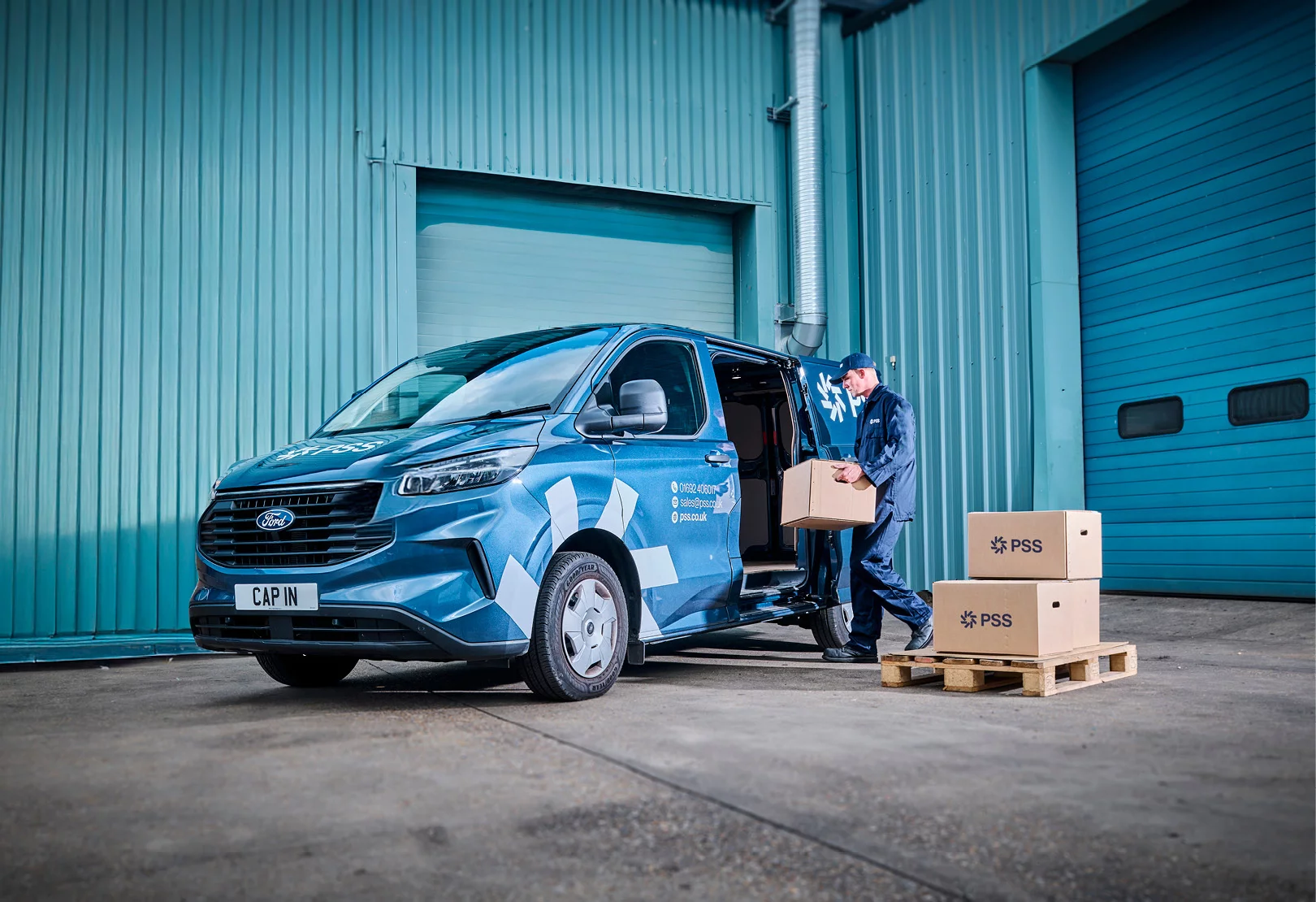
The updated branding – featuring a clean, bold “PSS” wordmark and a dynamic emblem – has been designed to represent precision, motion, and engineering excellence. Developed in partnership with Ark, a Norwich-based design agency, the new identity provides a more contemporary and recognisable visual identity that aligns with the company’s growing capabilities and forward-thinking approach. The new website complements this refreshed identity, offering customers an improved user experience and clearer insight into the full range of services available.

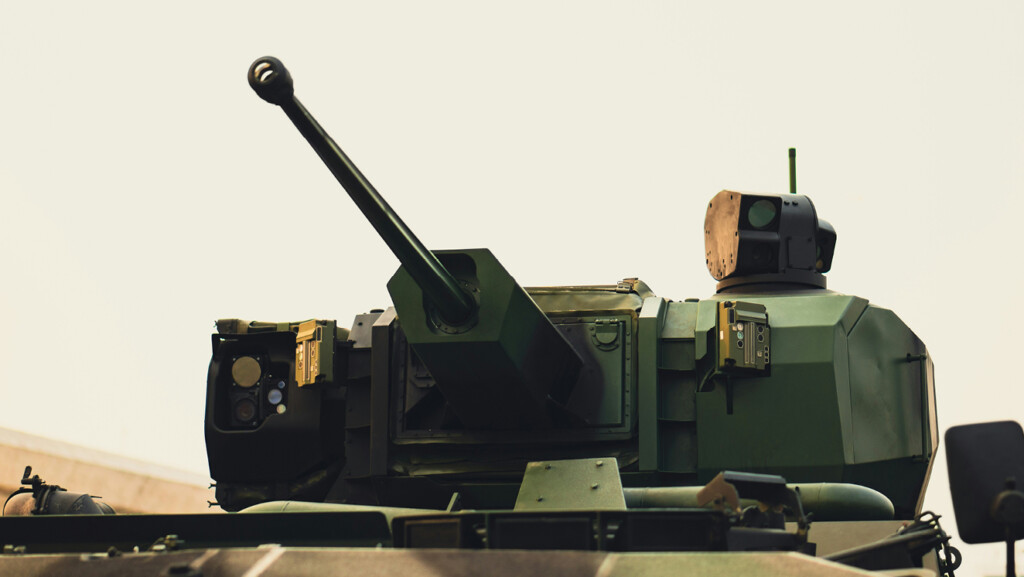
Military manufacturing Military manufacturing

Originally founded in 1971 as Power Steering Services, the business has continually evolved to meet the changing needs of the industry. From its early specialisation in steering systems, through its growth into hydraulics, and now into a far broader engineering offering, the company’s journey has been defined by adaptation and technical expertise.

Today, PSS offers a far broader range of solutions, including remanufactured drivetrain components, as well as comprehensive remanufacturing and repair services for a wide range of mechanical and pneumatic components and systems.

The move to “PSS” reflects this transformation. The previous name no longer captured the full scope of the company’s expertise, whereas the new, simplified identity allows for clearer communication of its diverse capabilities.

This rebrand delivers several key benefits:

  • Broader Representation of Services: The new name encompasses drivetrain, mechanical, pneumatic, hydraulic, and steering capabilities under one unified identity.
  • Stronger Brand Impact: A shorter, more distinctive name, combined with modern visual branding, improves recognition across the industry.
  • Future-Proof Positioning: The simplified identity allows PSS to continue expanding into new areas without being constrained by a legacy name.
  • Enhanced Digital Presence: The launch of a new website ensures customers can easily access information, services, and support through a modern, user-friendly platform.
  • Clearer Market Messaging: Customers can immediately understand that PSS is a multi-disciplinary engineering partner, not limited to a single product category.

While the name and branding have evolved, PSS remains committed to the same core principles: quality, reliability, and technical expertise. Customers can continue to expect the high standards of service and engineering excellence that have long defined the business.

This rebrand is not just a change in name – it is a clear statement of what PSS has become: a versatile, modern engineering company with the capability to support a wide range of remanufacturing and repair needs across multiple industries.

About PSS

PSS is a leading provider of remanufactured solutions, specialising in steering, hydraulic, drivetrain, mechanical, and pneumatic systems. With a focus on quality, sustainability, and innovation, PSS supports customers with reliable, cost-effective solutions across a wide range of applications, including:

  • Defence
  • Automotive
  • Construction
  • Agriculture
  • Ports, Marine & Rail
  • Material Handling

For further information about PSS and its services, please contact the team directly.

November 20, 2025

PSS Signs the Armed Forces Covenant

PSS is proud to announce that on 20 November 2025, we formally signed the Armed Forces Covenant, reaffirming our commitment to support the Armed Forces Community and uphold the values they represent.

The Armed Forces Covenant is a national promise ensuring that those who serve or have served in the Royal Navy, British Army, and Royal Air Force, along with their families, are treated with fairness and respect. By signing the Covenant, PSS recognises the immense contribution made by Serving Personnel—both Regular and Reservists—Veterans, and military families to our country and to our business.

At its core, the Covenant reflects a shared understanding: the first duty of Government is the defence of the realm, carried out by our Armed Forces who sacrifice personal freedoms, face danger, and, in some cases, suffer life-changing injuries or loss of life. Their families play an equally vital role, providing essential support that underpins operational effectiveness. As a nation, and as an organisation, we have a moral obligation to ensure they receive the respect, support, and fair treatment they deserve.

By signing the Covenant, PSS commits to upholding its key principles:

  • Special consideration may be appropriate in certain circumstances, particularly for those who have been injured or bereaved.
  • No member of the Armed Forces Community should face disadvantage compared to other citizens in accessing public or commercial services.

Demonstrating Our Commitment

PSS will actively demonstrate its support for the Armed Forces Community through a range of initiatives:

Promoting the Armed Forces

We will proudly promote our status as an Armed Forces-friendly organisation across our workforce, customers, suppliers, and the wider public, including the use of the Covenant logo in our communications.

Supporting Reservists

We are committed to supporting employees who serve as Reservists, including providing additional leave for training and supporting mobilisation where required.

Supporting Families

We recognise the challenges faced by service families and will offer flexibility, including short-notice leave, for employees whose partners are deployed.

Engaging with Cadet Organisations

PSS will support employees involved in cadet organisations, encourage volunteering, and provide opportunities such as insight days for cadets exploring future careers.

Supporting Veterans

We value the unique skills and experience veterans bring. PSS will support veteran employment through inclusive recruitment practices, collaboration with the Career Transition Partnership (CTP), and offering work placements, insight days, and interview opportunities.

National Events and Remembrance

We will actively support key national events including Armed Forces Day, Reserves Day, the Poppy Appeal, and Remembrance activities.

Supporting Armed Forces Charities and Local Engagement

PSS will engage with Armed Forces charities and strengthen connections with the local Armed Forces community.

Signing the Armed Forces Covenant is more than a formal commitment—it reflects our ongoing dedication to those who serve, have served, and the families who stand beside them. PSS is honoured to play its part in recognising their contribution and ensuring they are supported in both civilian life and the workplace.

September 8, 2025

PSS Launches Upgraded Rear Differentials for Freelander 2 and Range Rover Evoque

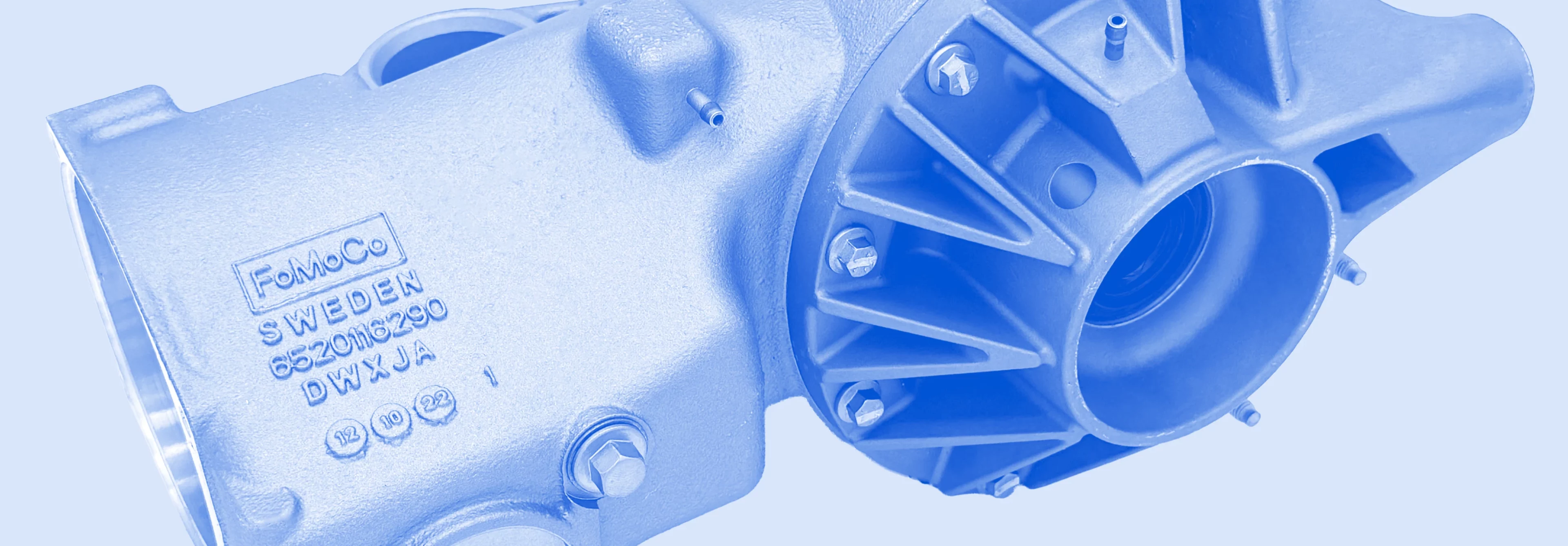
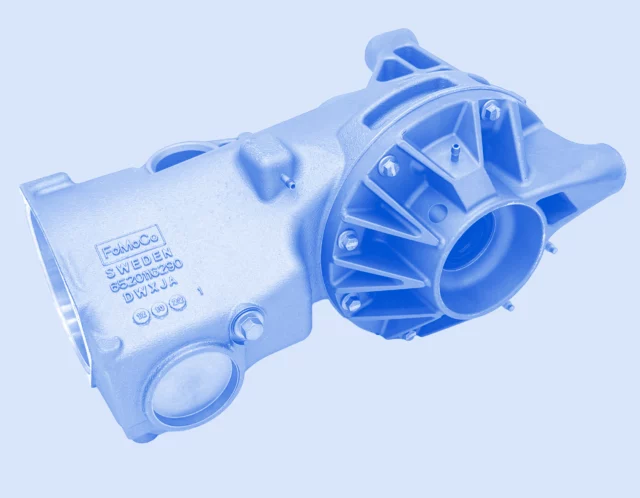
PSS is proud to announce the availability of upgraded rear differentials for the Freelander 2 and Range Rover Evoque, now enhanced with larger, uprated bearings to significantly improve durability and performance.

Many owners of these vehicles—particularly 2007–2011 models—may experience a drumming or humming noise from the rear. This is a common issue and is often an early sign of rear differential bearing failure, even in vehicles with relatively low mileage.

PSS engineering analysis indicates that the root cause is most likely due to the original design specification, where the nose bearings were undersized and not sufficiently rated for the loads encountered in real-world use.

To address this, PSS has developed a specialised process to modify these differentials to a newer, improved specification. This allows the fitment of a larger nose bearing—the same as those found in later models—which is capable of handling up to 25% greater load capacity. The result is a substantial improvement in reliability and service life.

This upgraded bearing solution is now fitted as standard across all PSS rear differential units for Freelander 2 and Evoque models from 2011-2015, ensuring customers benefit from a stronger, longer-lasting product.

With a proven track record of supplying remanufactured components to Jaguar Land Rover since 1998, PSS continues to lead the way in delivering high-quality engineering solutions.

Units are available from stock on a next-day delivery service, allowing for fast turnaround times, and are offered at highly competitive prices.

For more information or to place an order, please contact PSS today and quote part number LR066424R.

August 1, 2025

PSS Acquires Intellectual Property and Order Book from D&A Steering Ltd

PSS is pleased to announce the acquisition of the intellectual property rights and full sales order book from D&A Steering Ltd, a highly respected specialist in the remanufacturing of drivetrain and steering components for Land Rover vehicles.

Based in Birmingham, D&A Steering Ltd built a strong reputation over more than 30 years in business, becoming a trusted name in the industry for quality and reliability. For over two decades, the company served as an approved OE supplier to Jaguar Land Rover, delivering remanufactured components to exacting standards.

D&A Steering specialised in the remanufacturing of steering boxes, differentials, transfer boxes, and gearboxes, supporting both legacy and in-service Land Rover vehicles. Notably, the company was the approved OE supplier of the remanufactured 4-bolt steering box for the classic Defender—an essential component for one of the most iconic vehicles in the Land Rover range.

This acquisition represents a significant strategic step for PSS, strengthening its capabilities and expanding its offering within the automotive remanufacturing sector. By integrating D&A Steering’s intellectual property and existing order book, PSS is well positioned to ensure continuity of supply while building on a long-standing heritage of engineering excellence.

D&A Steering has an outstanding legacy and a reputation for delivering high-quality remanufactured components to Jaguar Land Rover. We are proud to carry that legacy forward and to continue supporting customers with the same level of expertise and reliability they have come to expect.

PSS is committed to maintaining the high standards established by D&A Steering while investing in future growth and innovation. Customers can expect a seamless transition, with ongoing support for existing products and continued availability of key components.

This acquisition underscores PSS’s commitment to preserving specialist engineering knowledge, supporting the aftermarket and OEM sectors, and delivering long-term value to customers across the automotive industry.